How Exterior Upgrades Can Improve Both Comfort and Long-Term Property Performance
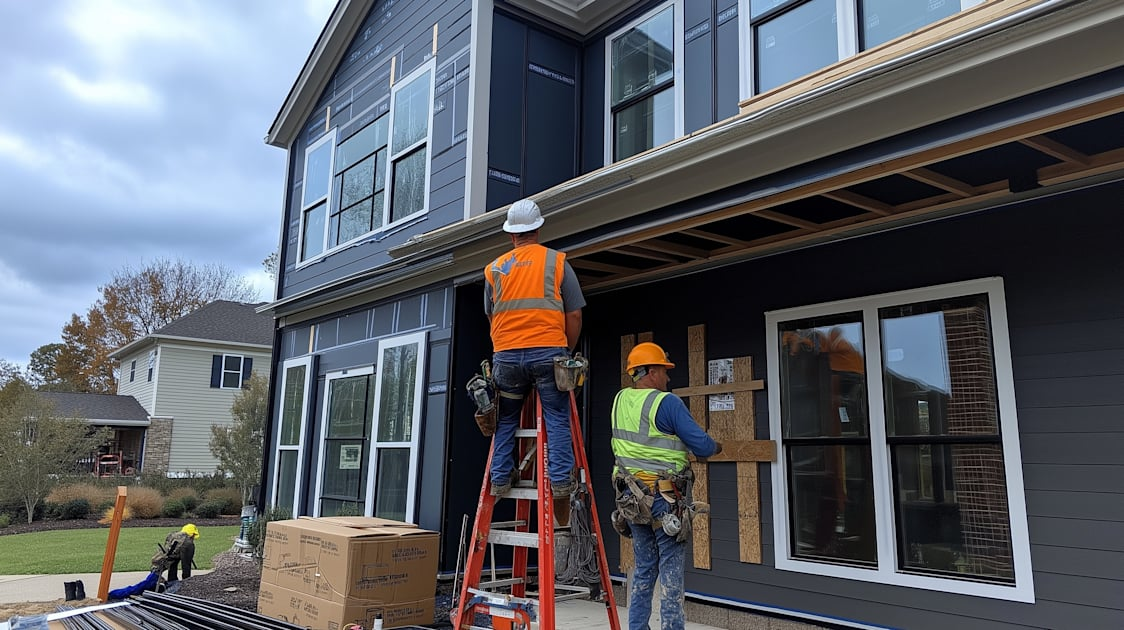
Home improvement projects are often associated with aesthetics, but the best upgrades do far more than improve curb appeal. Strategic exterior improvements can enhance energy efficiency, reduce maintenance costs, strengthen weather protection, and increase the overall longevity of a property.
From roofing systems to siding and drainage, exterior components work together to protect a home from environmental stress year-round. When one part begins to fail, nearby systems often experience added strain. This is why many homeowners turn to experienced professionals such as Ideal Precision Roofing when planning exterior upgrades and maintenance projects.
Understanding how these systems connect can help property owners make smarter decisions that deliver long-term value instead of temporary cosmetic improvements.
Why the Exterior Envelope Matters
A home’s exterior envelope includes the roof, siding, windows, gutters, insulation barriers, and ventilation systems. Together, these components regulate airflow, moisture control, and structural protection.
When the exterior envelope functions properly, homeowners benefit from:
- Better indoor temperature regulation
- Lower energy consumption
- Reduced moisture intrusion
- Improved indoor air quality
- Stronger storm resistance
- Lower maintenance costs over time
However, if even one area becomes compromised, the entire system can become less effective.
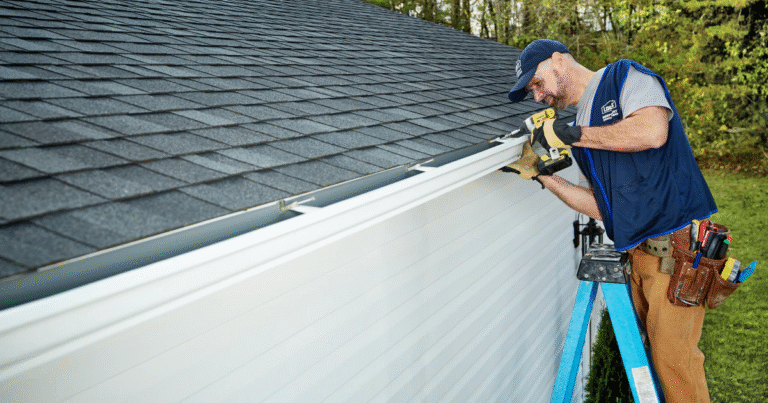
For example, a damaged roof may allow moisture into attic spaces, while poor ventilation can trap humidity and shorten the lifespan of roofing materials. Similarly, clogged gutters may cause water to overflow near siding and foundations.
This interconnectedness is why proactive maintenance is often more cost-effective than reactive repairs.
See also: What Are Wearable Tech Devices and How Are They Transforming Our Lives?
Roofing Is About More Than Shingles
Many homeowners think roofing projects are simply about replacing shingles, but modern roofing systems involve several layers that work together for protection and performance.
Key roofing components include:
Underlayment
This water-resistant barrier sits beneath roofing materials and adds an extra layer of protection against moisture intrusion.
Flashing
Flashing protects vulnerable areas where water is more likely to enter, such as around chimneys, skylights, and roof valleys.
Ventilation
Attic ventilation helps regulate heat and moisture buildup, preventing premature aging of roofing materials.
Drainage Systems
Proper drainage ensures rainwater moves safely away from the structure rather than pooling near vulnerable areas.
When homeowners focus only on visible roofing materials without considering the full system, underlying problems may remain unresolved.
Weather Exposure Accelerates Wear Over Time
Every climate presents different challenges for exterior materials. Intense sun exposure, heavy rain, wind-driven debris, hail, and humidity all contribute to gradual deterioration.
Even homes that appear structurally sound may experience hidden damage after severe storms. Wind uplift can loosen shingles, while hail impact may weaken protective granules without causing immediately visible leaks.
Over time, environmental exposure can lead to:
- Cracked or curling shingles
- Water infiltration
- Mold growth
- Wood rot
- Increased cooling costs
- Structural weakening
This is why routine inspections are valuable even when no obvious issues are present.
The Importance of Seasonal Maintenance
Preventive maintenance is one of the most effective ways to protect exterior systems and reduce long-term expenses.
Spring and Summer
Warmer months are ideal for inspecting roofing materials, clearing debris, and checking drainage systems. Heat exposure can reveal ventilation issues that may not be noticeable during cooler seasons.
Fall
Leaves and debris commonly clog gutters and downspouts during autumn. Clearing drainage systems before winter helps prevent moisture accumulation.
Winter
Cold temperatures and storm conditions place additional stress on roofing materials. Homeowners should monitor for signs of leaks, ice buildup, or interior moisture during colder months.
A consistent maintenance schedule helps identify minor concerns before they become larger structural problems.
Energy Efficiency Starts Outside the Home
Many people associate energy efficiency with appliances or HVAC systems, but exterior performance plays a major role in indoor comfort.
A compromised roof or poorly insulated attic can force heating and cooling systems to work harder throughout the year. Similarly, gaps in exterior barriers may allow conditioned air to escape.
Improving exterior efficiency can help homeowners:
- Reduce utility costs
- Improve indoor comfort
- Minimize temperature fluctuations
- Lower strain on HVAC equipment
- Enhance moisture control
Ventilation and insulation work especially well when paired with properly maintained roofing systems.
Signs It May Be Time for Professional Evaluation
Not every exterior issue is immediately obvious. In many cases, homeowners only notice problems after interior damage begins to appear.
Some common warning signs include:
- Water stains on ceilings
- Rising energy bills
- Sagging gutters
- Mold or mildew odors
- Missing or damaged shingles
- Peeling exterior paint
- Drafts near attic spaces
Professional inspections can help identify the root causes of these issues before they worsen.
For homeowners researching roofing systems, storm restoration, and exterior maintenance practices, provides additional context about residential exterior protection and roofing-related services.
Investing in Longevity Instead of Short-Term Fixes
One of the biggest mistakes homeowners make is choosing temporary repairs without addressing underlying causes. While quick fixes may seem cost-effective initially, repeated patchwork repairs often become more expensive over time.
Long-term exterior planning focuses on durability, efficiency, and prevention rather than reacting only when visible damage occurs.
Smart investments often include:
- Routine inspections
- Improved ventilation
- Quality drainage systems
- Timely repairs
- Durable exterior materials
- Preventive maintenance schedules
These measures not only protect the structure itself but also help preserve property value for years to come.
Exterior Improvements and Property Value
Exterior condition significantly influences how buyers perceive a home. Roofing problems or visible water damage can quickly reduce buyer confidence and increase concerns about hidden maintenance issues.
On the other hand, well-maintained exterior systems can improve:
- Curb appeal
- Inspection outcomes
- Buyer trust
- Marketability
- Long-term resale value
Even homeowners with no immediate plans to sell benefit from maintaining strong structural protection and energy performance.
Conclusion
A home’s exterior is far more than a decorative shell. It serves as a complete protective system that directly impacts comfort, efficiency, maintenance costs, and long-term durability.
By taking a proactive approach to roofing, ventilation, drainage, and seasonal maintenance, homeowners can reduce the likelihood of costly repairs while improving overall property performance. Small maintenance decisions made consistently over time often have the greatest impact on preserving both the structure and its value.
Understanding how exterior systems work together allows homeowners to make informed decisions that support both immediate comfort and long-term reliability.