
Advancing Brain and Spine Care Through Specialized Expertise
The Role of Neurosurgery in Modern Medicine
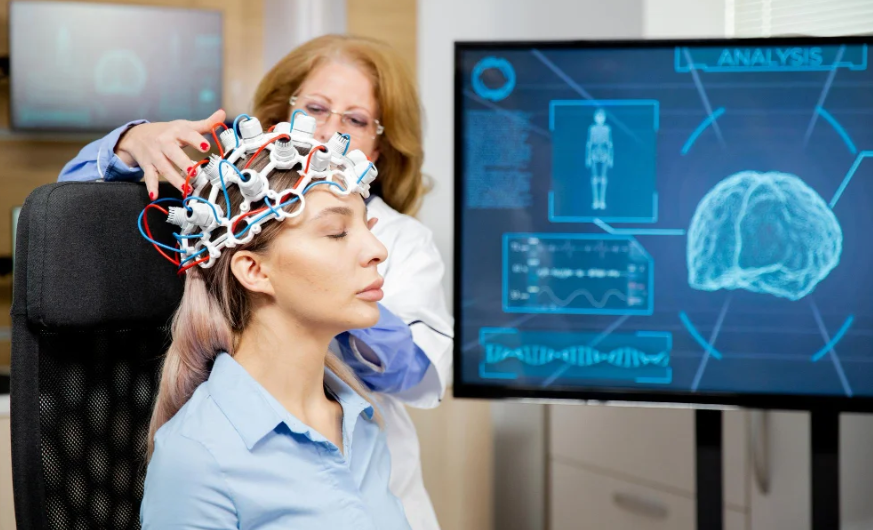
Neurosurgery is a specialized branch of medicine focused on the diagnosis and treatment of conditions affecting the brain, spine, and nervous system. Specialists in this field play a critical role in managing complex neurological disorders, traumatic injuries, and degenerative conditions. Their work combines surgical precision with comprehensive patient care, aiming to restore function and improve quality of life.
Understanding Common Neurosurgical Conditions
Patients seeking neurosurgery often face a variety of conditions. These include brain tumors, spinal cord injuries, aneurysms, herniated discs, and degenerative spine disorders. Neurosurgical intervention may also address conditions such as epilepsy, chronic pain, and movement disorders. Early assessment by a neurosurgeon ensures accurate diagnosis and timely treatment planning.
See also: Indonesia’s COVID Spike: What Officials Say Is Fueling the Surge
Diagnosis and Assessment
Accurate diagnosis is essential in neurosurgery. Specialists utilize advanced imaging techniques, including MRI, CT scans, and angiography, to identify structural and functional abnormalities. Comprehensive neurological examinations complement imaging results, allowing neurosurgeons to create precise treatment plans tailored to each patient’s unique condition.
Surgical and Non-Surgical Treatment Approaches
Neurosurgery offers both surgical and non-surgical treatment options. Non-invasive interventions may include medication, physical therapy, and minimally invasive procedures. Surgical techniques range from traditional open surgery to advanced minimally invasive and robotic-assisted procedures. Each approach is carefully selected based on patient needs, aiming to maximize efficacy and minimize risks.
Postoperative Care and Rehabilitation
Recovery after neurosurgery requires structured neurosurgery rehabilitation. Neurosurgeons work closely with physiotherapists, occupational therapists, and rehabilitation specialists to support functional recovery. Customized rehabilitation programs focus on improving mobility, strength, and coordination, helping patients regain independence and return to daily activities safely.
Managing Traumatic Injuries
Traumatic brain and spinal injuries are a critical focus of neurosurgery. Rapid intervention by a skilled neurosurgeon can prevent further damage and improve outcomes. Treatment may involve surgical stabilization, decompression, or repair of damaged tissues. Comprehensive care also includes monitoring, rehabilitation, and long-term management to support recovery.
Addressing Degenerative Conditions
Chronic degenerative disorders of the nervous system, such as spinal stenosis and herniated discs, are commonly treated through neurosurgery. Specialists aim to relieve pain, restore function, and slow disease progression. Combining surgical expertise with rehabilitation strategies ensures patients maintain long-term mobility and quality of life.
Technological Innovations in Neurosurgery
Advancements in technology have revolutionized neurosurgery. Techniques such as neuronavigation, intraoperative imaging, and minimally invasive procedures enhance precision and safety. Neurosurgeons continually integrate these innovations to improve surgical outcomes and reduce recovery times, providing patients with cutting-edge care.
Multidisciplinary Collaboration
Effective neurosurgical care often involves collaboration with neurologists, radiologists, physiotherapists, and pain management specialists. This multidisciplinary approach ensures that all aspects of the patient’s condition are addressed, from accurate diagnosis to comprehensive rehabilitation. Team-based care improves treatment outcomes and overall patient satisfaction.
Patient Education and Support
Neurosurgeons emphasize patient education and engagement. Understanding treatment options, potential risks, and recovery expectations empowers patients to make informed decisions. Additionally, emotional and psychological support is integral, as patients may face stress, anxiety, or lifestyle changes during their treatment journey.
Follow-Up and Long-Term Care
Long-term follow-up is critical in neurosurgery. Specialists monitor healing, detect complications, and adjust care plans as necessary. Regular evaluations help maintain neurological function and prevent recurrence of conditions. Continuous care supports sustained health and improved quality of life for patients following neurosurgical procedures.
Conclusion
Neurosurgery is a vital medical specialty that combines advanced surgical techniques with comprehensive patient care. Through precise diagnosis, individualized treatment planning, multidisciplinary collaboration, and structured rehabilitation, neurosurgeons help patients navigate complex neurological conditions. Their expertise enhances recovery, restores function, and improves overall quality of life, making neurosurgery an indispensable component of modern healthcare.

