Choosing the Right Business Structure for Company Incorporation
Introduction
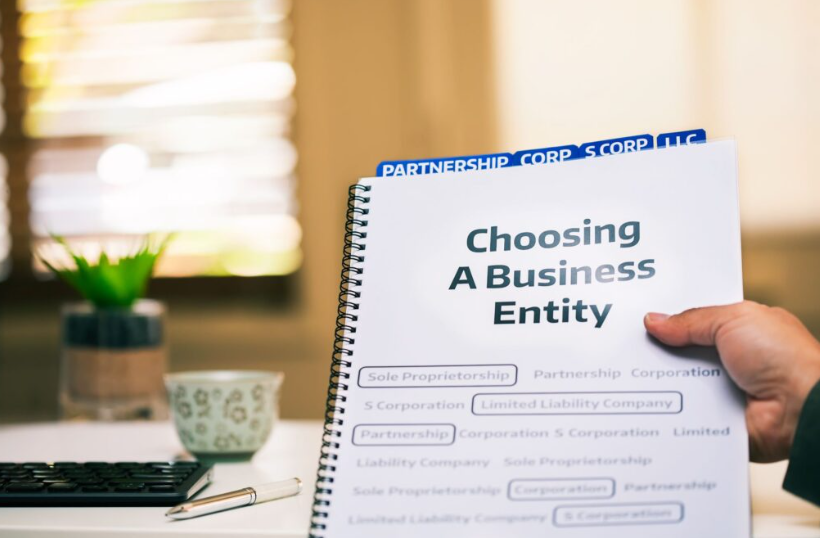
Quick Hook: Choosing the right business structure is one of the most important decisions when incorporating a company.
Brief Explanation: Your choice affects personal liability, taxes, compliance, ability to raise funds, and future growth. Pick the wrong structure, and you could face legal headaches, higher taxes, or trouble scaling your business.
Purpose of the Article: This guide will help entrepreneurs understand common business structures, key factors to consider, and how to select the right one for smooth company incorporation.
1. Understanding Business Structures
1.1 What is a Business Structure?
A business structure is the legal framework that defines how your company operates. It determines:
- Who owns the business
- How decisions are made
- Who is liable for debts
- Tax responsibilities
Why it matters: Your structure affects taxation, access to funding, compliance requirements, and even your personal financial risk.
1.2 Key Factors to Consider When Choosing a Structure
When deciding on a structure, keep these points in mind:
- Liability: How much personal risk are you willing to take? Some structures protect your personal assets, while others don’t.
- Taxation: Corporate vs. personal tax rates can differ greatly depending on your structure.
- Funding Needs: Investors often prefer certain structures like Private or Public Limited Companies.
- Compliance and Reporting: Some structures require audits, annual filings, and strict recordkeeping.
- Growth and Exit Plans: Think long-term. Can you easily bring in new partners, raise funds, or sell your business later?
2. Common Business Structures
2.1 Sole Proprietorship
Features
- Single owner, full control
- Minimal legal compliance
- Owner personally liable for business debts
Pros and Cons
- Pros: Easy to set up, low cost, simple tax filings
- Cons: Unlimited personal liability, harder to raise funds
2.2 Partnership
Features
- Two or more owners share ownership and responsibilities
- Requires a legal partnership agreement outlining roles, profit sharing, and exit terms
Pros and Cons
- Pros: Shared investment and skills, simple structure
- Cons: Joint liability, potential disputes between partners
2.3 Private Limited Company (LLC / Pvt Ltd)
Features
- Separate legal entity from owners
- Limited liability protects personal assets
- Can have multiple shareholders and directors
Pros and Cons
- Pros: Easier to raise capital, limited liability, credible image
- Cons: Higher compliance, mandatory filings, incorporation costs
2.4 Public Limited Company (PLC)
Features
- Can raise capital from the public through shares
- Requires minimum shareholders and directors
- Subject to strict regulatory and reporting obligations
Pros and Cons
- Pros: Access to large capital, enhanced credibility
- Cons: Complex compliance, high setup and maintenance costs
2.5 Other Structures (Optional)
- Nonprofit organizations
- Cooperative societies
- Special purpose vehicles (SPVs) for specific projects
3. Tax Implications by Business Structure
3.1 Sole Proprietorship and Partnership
- Profits taxed as personal income
- Simple tax filing but owners bear unlimited liability
3.2 Private and Public Limited Companies
- Corporate tax rates apply
- Dividends may be taxed for shareholders
3.3 Other Considerations
- Startups may qualify for tax incentives or industry-specific benefits
- Expanding globally may require understanding international tax rules
4. Liability and Legal Considerations
4.1 Personal Liability
- Sole proprietors and partners are personally responsible for business debts
4.2 Limited Liability
- Private and public companies protect owners’ personal assets
4.3 Regulatory Compliance
- Different structures have different requirements for annual filings, audits, and licenses
5. Funding and Investment Considerations
5.1 Investor Preferences
- Investors usually prefer limited liability companies like Pvt Ltd or PLC
5.2 Access to Loans and Grants
- Banks and government programs often require formal structures for funding
5.3 Future Growth and Scalability
- Certain structures allow easy addition of shareholders and business expansion
6. Common Mistakes When Choosing a Structure
6.1 Choosing Sole Proprietorship for High-Risk Businesses
- Exposes personal assets to potential business liabilities
6.2 Ignoring Tax Implications
- Can result in unexpected costs or fines
6.3 Not Considering Funding Needs
- Some startups struggle to raise capital because of an unsuitable structure
6.4 Underestimating Compliance Burden
- Pvt Ltd and PLC require audits, filings, and regulatory compliance, which founders sometimes overlook
7. Tips for Choosing the Right Structure
7.1 Assess Your Business Goals
- Consider short-term and long-term objectives, risk tolerance, and growth plans
7.2 Consider Liability and Compliance
- Evaluate how much personal risk you are comfortable taking
7.3 Seek Professional Guidance
- Lawyers, accountants, or consultants can help you select the optimal structure
7.4 Review Periodically
- As your business grows or pivots, reassess your structure to ensure it still fits
Conclusion
Recap: Your business structure impacts liability, taxes, compliance, funding, and growth potential.
Emphasize Planning: Don’t rush this decision. Choosing the right structure is a strategic step that can save time, money, and stress.
Encourage Founders: Treat this choice as the foundation of your business. With careful planning and expert guidance, your company incorporation can set you up for long-term success.