
The Evolution of Sanctuary: Why Your Home Needs a Soul in 2026
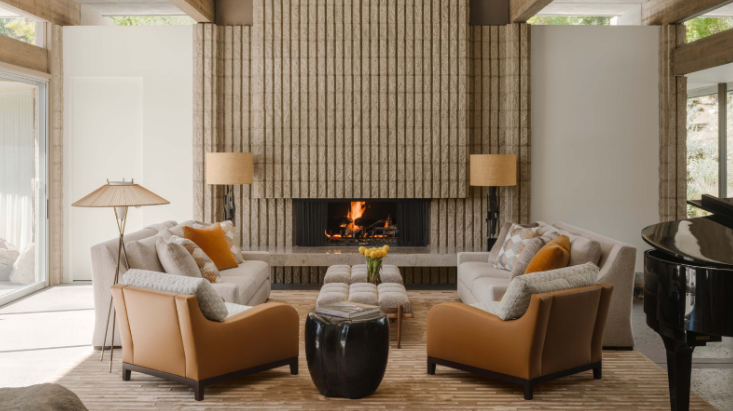
The 2026 Home Revolution: More Than Just Four Walls
In the fast-evolving world of interior design, 2026 has brought a significant shift in how we perceive our living spaces. We are moving away from the era of rigid, formal furniture and embracing a more “human-centric” approach. Today, a home is no longer just a place to display expensive, untouchable decor; it has become a sanctuary designed for mental well-being and physical relaxation.
The modern dweller is looking for a home that breathes. As urban spaces become more compact and our lives more digitally intertwined, the furniture we choose must do more than just look good—it must serve our psychological and physiological needs. This shift has given rise to a movement where comfort is prioritized as a fundamental right, not just an optional luxury.
The Rise of “Soft-Seating” and Flow
One of the most noticeable trends in modern apartments and smart homes is the move toward low-profile, adaptable furniture. The days when a massive, heavy wooden sofa would dominate the living room for decades are fading. Instead, these are being replaced by modular units and flexible seating options that can be rearranged in minutes.
Interior designers are now prioritizing “flow” over “fixation”. They want rooms that can transform from a focused home office during the day to a cozy relaxation zone at night. This is where the concept of the modern hammock or flexible lounger has made a massive comeback. Unlike the flimsy versions of the past, today’s high-quality relaxation pieces are engineered with precision to provide intentional spinal support while allowing the body to settle into a natural, stress-free posture.
Why Comfort is the New Luxury
Luxury today is no longer defined by the price tag of a velvet sofa or the brand name of a designer table. Instead, luxury is defined by how a piece of furniture makes you feel after a grueling ten-hour day of work. As more people work from home, the boundaries between our professional and personal lives have blurred.
This has led to an urgent demand for “transition furniture”—pieces that act as a mental bridge, helping you switch from a high-pressure work mindset to a relaxed, evening vibe. Interior experts and psychologists suggest that incorporating soft textures and movable furniture helps in reducing cortisol levels—the body’s primary stress hormone. When you enter a space that invites you to literally “sink in,” your brain receives an immediate neurochemical signal that it is time to unwind and deactivate.
The Science of “Sinking In”
Why is the world obsessed with soft seating suddenly? The answer lies in the science of ergonomics. Traditional chairs often force the human skeleton into rigid angles that create pressure points. Over time, this leads to chronic fatigue. Versatile seating solutions, whether it’s a high-end beanbag or a suspended lounger, distribute body weight evenly.
This “weightless” sensation reduces the load on the spine and improves blood circulation. For someone spending most of their day in front of a screen, moving to a flexible seating option for even an hour can significantly reduce muscle tension. This isn’t just about sitting; it’s about recovery. This psychological and physical aspect of design is why we see so many top-tier tech startups and modern luxury homes investing heavily in high-end comfort solutions.
Sustainability and Material Innovation
Another reason for the resurgence of versatile seating is the focus on sustainable living. Modern consumers are looking for furniture that is easy to ship, easy to maintain, and built to last. In 2026, the “disposable furniture” culture is being replaced by a “quality-first” mindset.
People want fabrics that are durable yet soft to the touch, spill-resistant, and stylish enough to fit into a minimalist interior. The ability to simply move a piece of furniture to match a new layout makes these options a more sustainable choice for the long term compared to buying whole new heavy sets.
See also: Sydney to Melbourne Interstate Removals: Cost-Effective Tips for a Hassle-Free Move
Creating Your Personal Sanctuary
If you are looking to upgrade your space without the headache of a full renovation, the best place to start is with your seating. Look for materials that reflect your personal style but prioritize your health. A well-placed, stylish retreat piece can instantly transform an unused, empty corner into a functional sanctuary.
It’s about creating a “High-Vibe” environment where every piece serves a purpose: your personal comfort. Whether you are building a home for a growing family or a sleek professional pad, the goal remains the same—creating a space that welcomes you back.
Conclusion: Investing in Happiness
Ultimately, the best homes are the ones that reflect the unique lifestyle of the people living in them. By choosing furniture that adapts to your needs—rather than forcing your body to adapt to its rigid shape—you are making a proactive investment in your long-term health and happiness.
As we look toward the future of interior design, one thing is certain: the rigid formalities of the past are over. The future is soft, flexible, and above all, comfortable. Comfort is no longer an afterthought; it is the foundation of a life well-lived.